LED Face Mask and Retinol: Can You Combine Them?
Retinol and an LED mask can be combined, just not at the same time – learn how to fit both into your routine and when the combination is contraindicated.

Yes, retinol and an LED face mask can be part of the same routine, just not at the same moment. Retinol belongs in the evening routine, while the LumenLuxe LED mask is recommended at a different time of day, for example in the morning. The exception is oral isotretinoin, in which case the LED mask should not be used at all.
What is retinol and how does it affect the skin?
Retinol is a vitamin A derivative applied as a cream or serum that supports the skin's natural renewal process. It's one of the most common ingredients in evening skincare, but it has one trait worth considering when combining it with other treatments: it makes skin more light-sensitive, and mild irritation, dryness or flaking are common when starting out, especially at higher concentrations or with too-frequent application.
This photosensitivity is exactly why it's recommended to separate retinol and light treatments, including an LED mask, by time – not because the combination itself is dangerous, but to avoid unnecessary irritation of already sensitive skin. The same recommendation applies to other active ingredients that increase skin's light sensitivity, such as glycolic acid, salicylic acid, or higher concentrations of vitamin C.
Why is it recommended to separate retinol and LED light in time?
The reason lies mainly in the skin's condition, not the LED light itself. Skin freshly exposed to retinol has a weaker protective barrier and is more prone to irritation from any further stimulus – heat, friction, or light. The LumenLuxe LED mask works with visible light at wavelengths of 460–630 nm, not UV radiation that damages cell DNA, but it's still sensible not to load the skin with two new stimuli at once until it adjusts.
If retinol is new to your routine, we recommend introducing one novelty at a time and adding the LED mask only after a few weeks, once the skin has adjusted and any irritation has settled. The same applies in reverse – if you're just starting with the LED mask, hold off on introducing retinol until you're used to the treatment.
Can I use retinol and the LED mask on the same day?
Yes, retinol and the LED mask can be used on the same day, just split them into different parts of the routine. A common approach is using retinol in the evening as part of night care and the LED mask in the morning, on clean, dry skin free of active ingredients. If you prefer using the LED mask in the evening, apply retinol only after the treatment, with some time in between, not right before it.
Before combining any new skincare steps, the general recommendation applies: prepare the skin properly first and avoid applying the LED mask to skin with freshly applied active ingredients. For more on preparing skin correctly before treatment, see the article How to prepare your skin before using the LumenLuxe mask.
What does a routine combining retinol and an LED mask look like?
The simplest approach is to split skincare into a morning and an evening part, so retinol and LED light never meet on the same layer of skin.
| Time of day | Step | Note |
|---|---|---|
| Morning | Cleanse, LumenLuxe LED mask (10 minutes), then SPF cream | Skin should be clean, dry, and free of active serums |
| Evening | Cleanse, retinol per manufacturer's instructions, nourishing cream | Apply retinol to dry skin, start with a lower frequency |
If you have more sensitive skin, a gentler light mode may suit you better. See the article LED Mask for Sensitive Skin: Does Cyan Light Help? for an overview of suitable options.
What if I'm starting retinol and the LED mask at the same time?
If you plan to introduce both at once, give the skin time to adjust gradually. In the first week, use retinol only 2–3 times and the LED mask 2–3 times a week, on different days or at least at different times of day. Increase frequency only if the skin responds well – without noticeable redness, flaking, or a tight feeling.
The pace at which skin adjusts to both retinol and LED treatment varies from person to person and depends on skin type and condition, retinol concentration, and whether other active ingredients are used. There's no point sticking rigidly to someone else's schedule – what matters more is watching how your own skin responds.
What about oral isotretinoin (e.g. Roaccutane)?
Oral isotretinoin is a contraindication for using the LED mask. It's a systemic medication that significantly increases photosensitivity throughout the body, not just the skin, and its use is one of the reasons LED phototherapy isn't recommended. If you're taking isotretinoin or another photosensitizing medication (such as certain antibiotics), don't use the LED mask, and discuss resuming use after treatment with a doctor.
This is a key difference from retinol in creams and serums – that isn't a contraindication, it just requires time separation from LED light within the day. If you're unsure which category your medication or supplement falls into, the package leaflet or a pharmacist can tell you whether it increases photosensitivity – in that case, the same caution as with isotretinoin applies.
Similar caution applies to certain antibiotics, which are among the photosensitizing medications. If you're currently taking any medication and aren't sure of its effect on skin's light sensitivity, skip the LED mask temporarily and check with your doctor or pharmacist.
When should the LED mask not be used at all?
Besides photosensitizing medications, there are a few other situations where using the LED mask isn't recommended:
- pregnancy,
- light-sensitive epilepsy,
- active skin condition or infection at the treatment site,
- retinal disorders,
- taking photosensitizing medications (e.g. isotretinoin, certain antibiotics),
- using light-sensitive cosmetics such as retinol or acids at the same time – in that case, use the mask at a different time of day.
Before first use, we recommend a short patch test on the skin of the hand. Mild redness after treatment is common and should subside within 1–2 hours. If you feel any burning during treatment, turn the mask off immediately and stop using it.
LumenLuxe LED mask at a glance
| Parameter | Value |
|---|---|
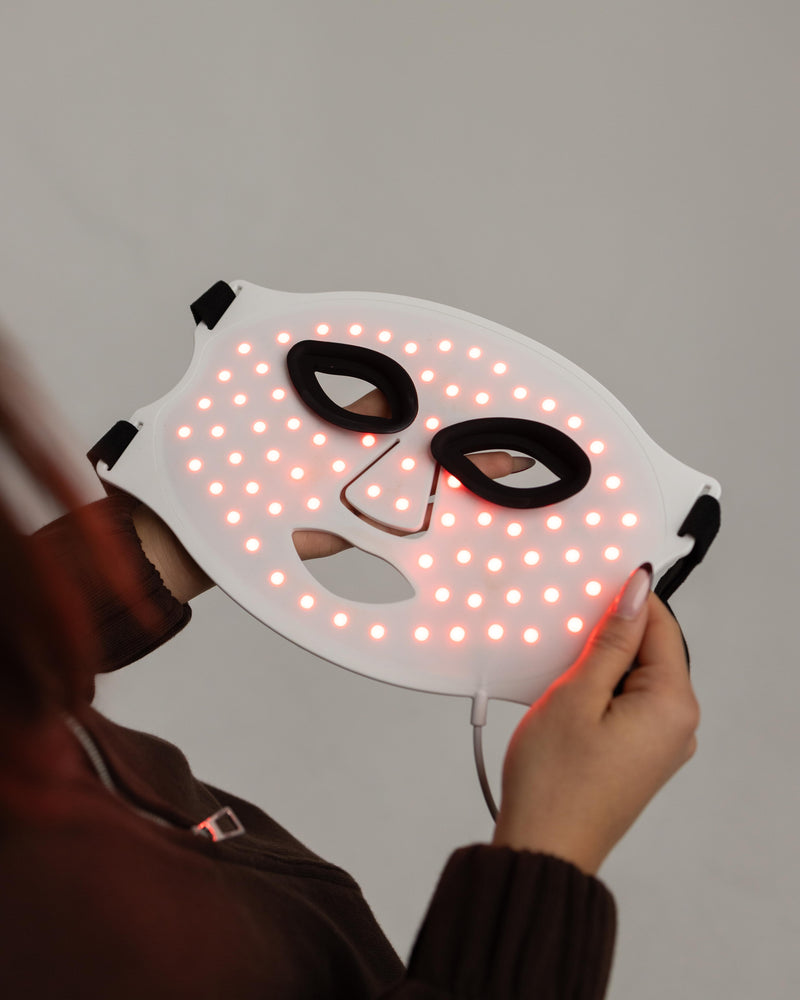
| Number of LEDs | 210 |
| Light modes | 7 (red 630 nm, blue 460 nm, green 520 nm, purple 630+460 nm, yellow 630+520 nm, cyan 520+460 nm, white 630+520+460 nm) |
| Intensity | 20 mW/cm², 5 intensity levels |
| Treatment length | 10 minutes, recommended 3–5 times a week |
| Certification | CE, RoHS |
| Returns | 60 days |
| Warranty | 24 months |
| Current price | €199.97 |
The LumenLuxe LED mask has no infrared (NIR) light and is not a medical device, but a cosmetic tool.
Frequently asked questions
Can I use retinol together with the LED mask?
Yes, but not at the same time – use retinol in the evening and the LED mask at a different time of day, such as the morning. The exception is oral isotretinoin, in which case the LED mask isn't used.
Do I need to wait a full day after retinol before using the LED mask?
Not necessarily – it's enough to separate them so they don't go on the skin right after each other. Most people find it works well to do the LED mask in the morning and retinol in the evening.
Does combining retinol and LED light harm the skin?
The combination itself isn't dangerous, but skin softened by retinol is more sensitive, so caution and time separation are recommended, not a complete ban.
Can I use the LED mask while taking isotretinoin?
No, oral isotretinoin is a contraindication for LED phototherapy. Don't use the mask until treatment is finished and you've discussed it with your doctor.
How do I know the retinol and LED mask combination isn't working for me?
Watch your skin after treatment – mild redness within 1–2 hours is fine, but if you experience burning, strong irritation, or lasting redness, skip the LED mask and consult a dermatologist.
Does the same apply to other active ingredients, like acids?
Yes, the same recommendation – use at a different time of day than the LED mask – applies to acids (e.g. glycolic or salicylic) and other light-sensitive cosmetics that increase skin's light sensitivity.
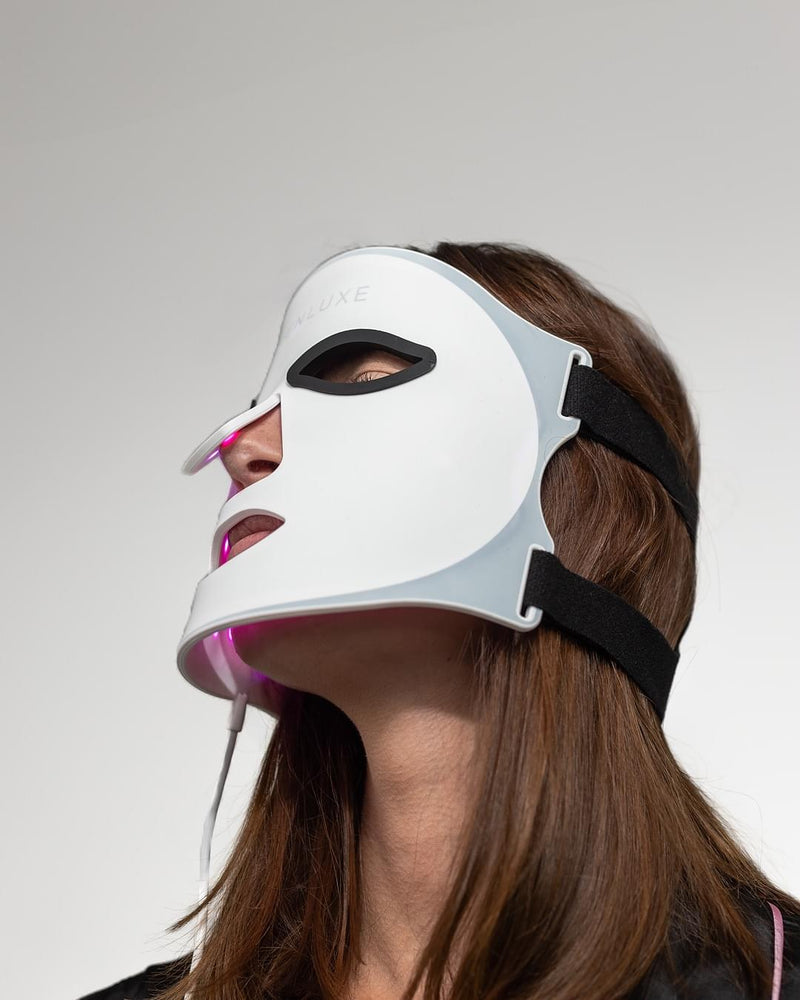
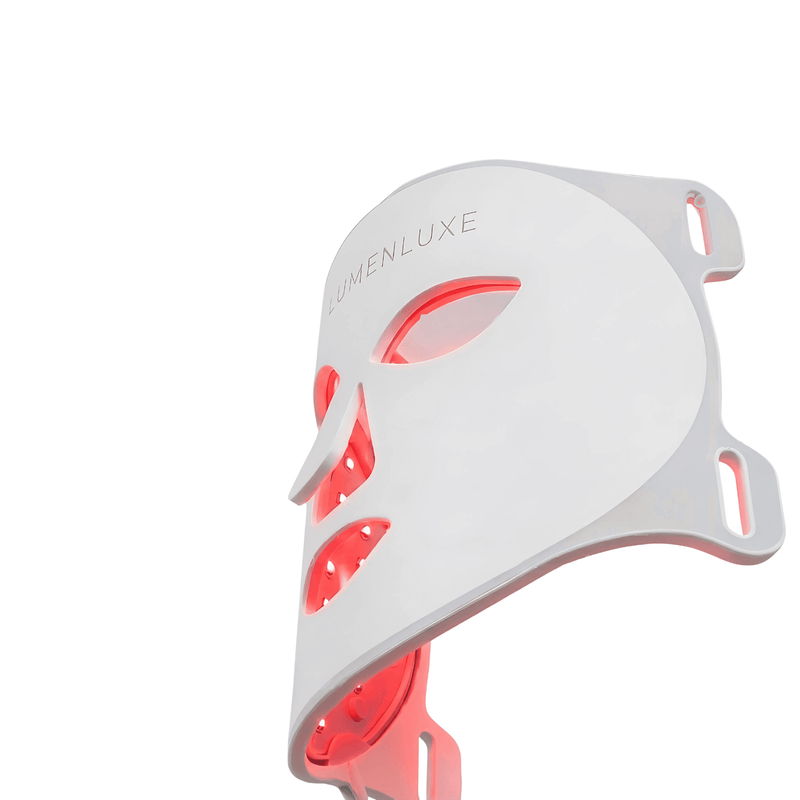
If you'd like to try combining an LED mask with retinol in your own routine, check out the LumenLuxe LED mask – 210 LEDs, 7 light modes, a 60-day return window and a 24-month warranty.